
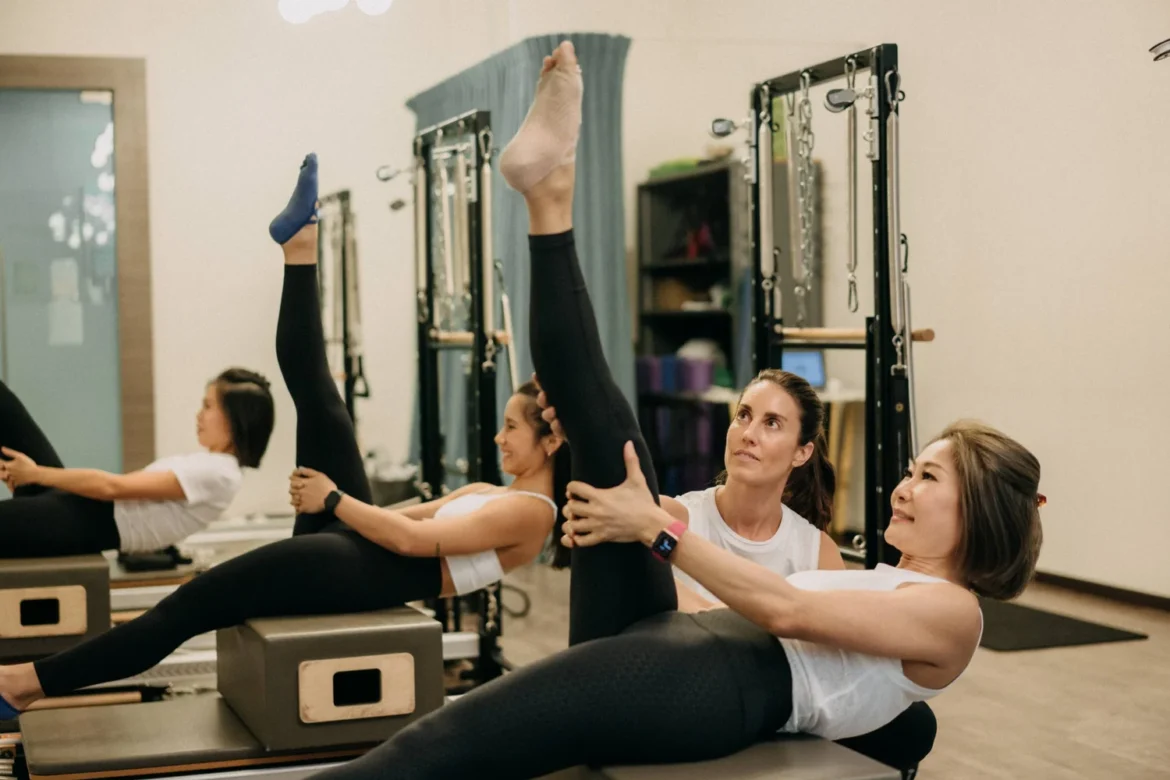
How Pilates Helps Desk-Bound Adults Rebuild Strength Without Excessive Strain Desk-bound adults often feel the effects of long sitting before they realise how much their bodies have adapted to it. Tight hips, rounded shoulders, weak core engagement and lower back discomfort can become normal. This is one reason pilates singapore is gaining attention among adults who want to rebuild strength without relying on harsh or overly aggressive training. Pilates offers a controlled, low-impact approach that focuses on core stability, alignment and movement quality. It can challenge the body deeply without requiring heavy jumping, fast pace or excessive strain. For people who spend much of the day at a desk, this makes Pilates both practical and sustainable.
How desk work changes the body
Sitting for long hours places the body in repeated positions. The hips remain flexed, the spine may round, shoulders move forward and the head often leans towards screens. Over time, certain muscles become tight while others become underused. The core may become less responsive because the chair supports the body for most of the day. The glutes may weaken. The upper back may lose strength. These changes can affect posture, movement confidence and comfort. Pilates helps by targeting these patterns through controlled strengthening and alignment awareness.
Rebuilding core strength safely
Core strength is central to Pilates. However, the practice does not treat the core as only the front abdominal muscles. It involves deeper stabilising muscles that support the spine and pelvis. Desk-bound adults often benefit from this because lower back discomfort can be linked to poor core control and prolonged sitting. Pilates teaches students to engage the core while breathing and moving, which makes strength more functional.
Low-impact but challenging
Many people assume low-impact exercise is easy. Pilates proves otherwise. Small, controlled movements can be demanding when performed correctly. The body must stabilise, coordinate and maintain alignment. This is useful for desk-bound adults because it reduces unnecessary stress on the joints while still developing strength. It allows students to work deeply without feeling beaten down after every session.
Areas Pilates can support for desk workers
Regular practice may help improve:
- Core stability
- Hip control
- Shoulder positioning
- Spinal awareness
- Postural endurance
- Balance and coordination
- Breath control during effort
These areas are closely connected to the physical demands of desk life.
Improving posture through awareness
Posture is not corrected simply by forcing the shoulders back. It improves when the body has enough strength, mobility and awareness to hold itself well. Pilates supports this by helping students understand how the pelvis, spine, ribs and shoulders relate. During class, students learn to notice whether they are arching, rounding, gripping or collapsing. This awareness can carry into the workday. A person may adjust how they sit, breathe or use the screen because they become more aware of body position.
The role of breath in reducing tension
Desk stress often leads to shallow breathing and upper body tension. Pilates uses breath to support movement and control. Students learn to breathe without losing core engagement or creating unnecessary tightness. This can be helpful for adults who hold tension in the ribs, shoulders or jaw. Breath awareness teaches the body that effort does not need to be rigid.
Gradual progression for sustainable strength
Desk-bound adults may feel tempted to push hard when they start exercising again. This can lead to soreness or discouragement. Pilates encourages gradual progression. Students build control first, then increase challenge over time. This approach is sustainable because it respects the body’s starting point. It helps adults rebuild strength without feeling punished by the process.
Complementing workday movement habits
Pilates works best when supported by small daily habits. Standing periodically, walking, adjusting desk setup and stretching lightly can all help. Pilates then provides deeper structured strengthening. The combination of daily movement and regular classes can help reverse some of the effects of prolonged sitting.
A focused environment for rebuilding strength
A studio such as Yoga Edition can help desk-bound adults practise in a calm and guided setting. Teacher support is important because many Pilates movements require precision. Good cues help students avoid compensations and understand the purpose of each exercise. The right environment makes strength-building feel organised rather than overwhelming.
Strength that supports daily comfort
Pilates helps desk-bound adults rebuild strength by focusing on control, alignment and sustainable challenge. It does not require excessive strain to be effective. Instead, it teaches the body to move with better support. For adults who feel stiff or weak from long workdays, this approach can be highly valuable. Better core strength and posture awareness can improve comfort at work, confidence in movement and overall body resilience.
