
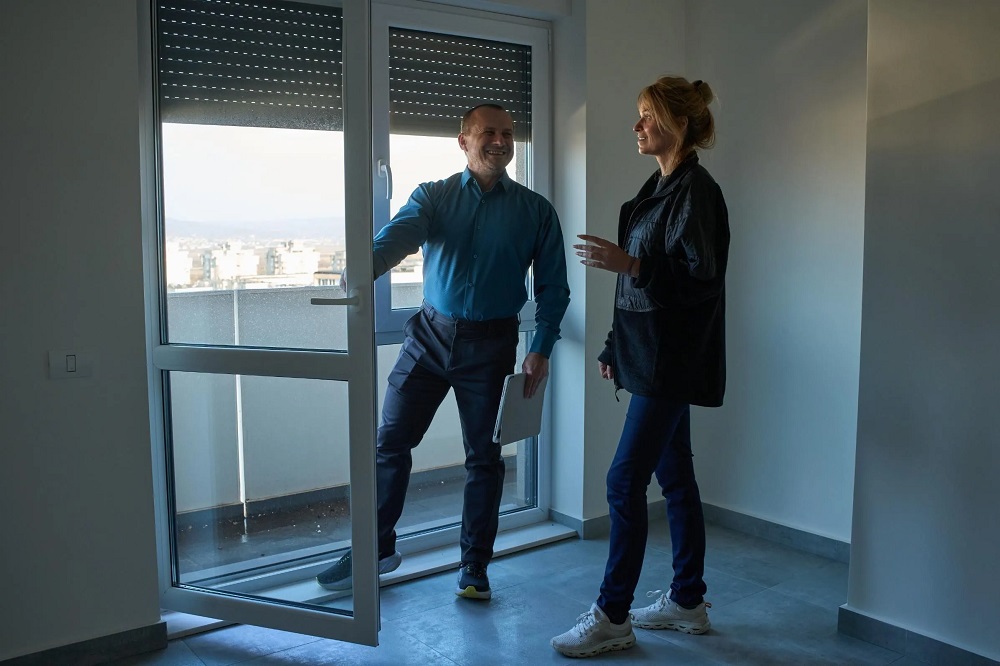
The global real estate landscape is experiencing a structural paradigm shift. For generations, the traditional trajectory of urban housing revolved around a well-understood formula: developers acquired land, constructed multi-family apartment buildings or single-family subdivisions, and sold individual units directly to homeowners or speculative retail investors. This build-for-sale philosophy underpinned the expansion of modern metropolitan areas. However, macro-economic pressures, changing demographic priorities, and evolving lifestyle preferences have combined to fuel the rapid ascent of an alternative asset class: the Build to Rent model.
The Build to Rent concept involves the development of residential communities where every single unit is explicitly designed, constructed, and managed for long-term rental purposes rather than individual sale. Instead of fragmenting the ownership of an apartment building or a housing development among hundreds of independent buyers, a single institutional investor or real estate trust retains total ownership of the entire asset. This unified ownership structure transforms how housing is managed, maintained, and integrated into the broader urban ecosystem, fundamentally reshaping the economics of the modern housing market.
Structural Macroeconomic Drivers Behind the Transition
The surge of institutional capital into Build to Rent developments is not a temporary trend. It is a direct response to deep-seated structural imbalances within urban economies, primarily driven by severe homeownership affordability constraints.
Over the past decade, home prices in major urban centers have detached completely from median household incomes. Aspiring buyers face a compounding financial squeeze. Rapidly rising interest rates have elevated monthly mortgage payments to historic highs, while inflation has compromised the ability of young professionals to accumulate the substantial down payments required to enter the property market.
Furthermore, urban land values have escalated dramatically. High construction material costs, supply chain vulnerabilities, and stringent municipal zoning restrictions make it difficult for traditional homebuilders to deliver entry-level, affordable homes for sale. The Build to Rent model bridges this gap. It provides high-quality, stable, and professionally managed housing for a massive segment of the population that has been priced out of homeownership but possesses the steady income required to afford premium rents.
Changing Demographics and the Lifestyle Renter
While economic barriers prevent many individuals from buying homes, a significant portion of the modern workforce is actively choosing to rent. The profile of the average renter has evolved from transient students and young entry-level workers to affluent families, established mid-career professionals, and downsizing retirees. These groups are often referred to as renters by choice.
Modern urban professionals value geographic mobility, flexibility, and freedom from the administrative and financial burdens of property maintenance. They are hesitant to tie up their net worth in an illiquid housing asset that requires ongoing expenditures for roof repairs, property taxes, and structural upkeep.
Build to Rent communities adapt specifically to these lifestyle expectations. Unlike scattered-site rentals owned by amateur retail landlords, institutional build-to-rent developments provide a predictable, corporate level of customer service. Residents enjoy long-term lease stability without the looming fear that an individual landlord will suddenly decide to sell the property or reclaim the unit for personal use.
Design Innovations and Shared Amenity Ecosystems
Because Build to Rent developments are intended to remain under the ownership of a single entity for decades, the architectural design, material selection, and structural layouts differ significantly from traditional build-for-sale projects.
Long-Term Operational Efficiency
When a developer intends to sell an apartment immediately upon completion, they are financially incentivized to prioritize superficial aesthetics while minimizing upfront construction costs. In contrast, Build to Rent developers focus heavily on life-cycle asset management. They invest in durable, low-maintenance materials that will withstand decades of continuous tenancy:
-
Commercial-Grade Flooring: Utilizing high-durability luxury vinyl tile or polished concrete that resists scratching and moisture damage over multiple tenant turnarounds.
-
Energy-Efficient Infrastructure: Integrating advanced smart-home thermostats, centralized geothermal heating, and high-efficiency insulation to lower aggregate utility consumption, benefiting both the tenant and the institutional operator.
-
Modular Mechanical Systems: Positioning plumbing stacks, electrical panels, and HVAC infrastructure in highly accessible utility corridors to enable rapid, frictionless repair cycles without disrupting residents.
Premium Community Amenity Integration
To command premium rents and maximize tenant retention rates, these developments feature integrated, resort-style amenity ecosystems. They operate less like standard apartment buildings and more like managed hospitality spaces. Common inclusions feature expansive co-working spaces equipped with high-speed internet, dedicated parcel management locker rooms to handle high volumes of e-commerce deliveries, professional fitness complexes, and integrated pet-care facilities. By transforming these amenities into shared community assets, developers maximize the utilization of the physical square footage while creating a distinct sense of neighborhood belonging among residents.
Institutional Appeal and Capital Markets Stability
From an investment perspective, Build to Rent has emerged as one of the most highly sought-after defensive asset classes in global real estate. Large-scale pension funds, sovereign wealth funds, and private equity firms view these developments as a reliable hedge against inflation.
Traditional commercial real estate assets, such as office parks and retail shopping centers, have faced declining demand due to remote work dynamics and online shopping dominance. Residential real estate, however, remains a fundamental human necessity. The demand for housing is inelastic.
Build to Rent portfolios provide institutional investors with highly stable, predictable cash flows. Because the properties are managed by a centralized, professional property management firm, operational efficiencies are maximized. Vacancies can be filled rapidly through sophisticated algorithmic marketing, and maintenance supplies can be purchased in bulk across thousands of units, driving down overhead expenses and creating consistent returns that are largely decoupled from broader stock market volatility.
Urban Planning and Local Community Impact
The rapid proliferation of Build to Rent communities has triggered intense dialogue among municipal urban planners, local politicians, and community activists regarding the long-term impact on neighborhood stability.
Proponents argue that institutional build-to-rent models provide a critical supply of housing at a scale that traditional boutique developers cannot match. By densifying underutilized urban corridors or converting obsolete commercial industrial zones into thriving residential districts, these projects help alleviate chronic housing shortages, improve local tax bases, and stimulate economic activity within neighborhood retail zones.
Critics, however, raise concerns regarding the institutionalization of the housing market. They argue that when large-scale corporations purchase vast swaths of residential land, it reduces the available inventory for individual families looking to build generational wealth through homeownership. There are also apprehensions that algorithmic rent-setting software used by corporate landlords could lead to coordinated upward pressure on market-rate rents across an entire city.
Balancing these conflicting dynamics requires urban planners to implement progressive zoning frameworks that encourage Build to Rent developments while ensuring a percentage of the units are permanently designated as deed-restricted affordable housing.
Frequently Asked Questions
What is the difference between Build to Rent developments and traditional apartment buildings?
Traditional apartment buildings are frequently built to be sold off as individual condominiums to retail buyers or are purchased as older, existing properties by landlords who renovate them. Build to Rent properties are explicitly master-planned, custom-built from the ground up, and permanently managed by a single corporate entity with the explicit purpose of operating them as long-term, institutional rental housing.
How do Build to Rent communities handle property maintenance compared to standard rentals?
In standard rentals managed by private individual landlords, maintenance requests can often be slow, unpredictable, and dependent on the landlord financial situation. Build to Rent developments feature on-site, full-time professional maintenance teams. Repairs are handled through centralized digital ticketing systems, ensuring rapid response times and consistent corporate standards of upkeep across the entire community.
Are Build to Rent communities limited exclusively to high-rise urban apartment towers?
No, the Build to Rent model spans multiple architectural formats. While it includes high-rise urban infill projects, a massive segment of the market consists of horizontal apartments or single-family rental communities in suburban or suburban-adjacent markets, where developers build entire neighborhoods of detached or semi-detached homes dedicated solely to renters.
Do Build to Rent models help lower the overall cost of rent in crowded cities?
By introducing a substantial new supply of housing into inventory-starved markets, Build to Rent can help temper runaway rent inflation by easing competition for existing units. However, because these communities offer premium finishes, extensive amenities, and professional management, their initial price points generally align with the upper tier of prevailing market-rate rents.
How long do tenants typically stay in a Build to Rent property compared to traditional rentals?
Data indicates that Build to Rent developments generally experience higher tenant retention rates and longer average lease tenures than scattered-site rentals. The presence of comprehensive amenities, a professionalized customer service experience, and the absolute guarantee that the property will not be sold out from under the tenant encourages residents to treat these units as long-term homes.
How do smart home technologies intersect with the operational strategy of Build to Rent operators?
Smart home technologies are vital for the operational efficiency of large-scale Build to Rent portfolios. Operators utilize smart locks to facilitate self-guided touring for prospective tenants, reducing leasing staff overhead. Additionally, integrated leak-detection sensors and automated HVAC diagnostics allow managers to identify and repair minor utility anomalies before they escalate into catastrophic, expensive structural property damage.
